Source Refined Tetrabutylammonium Bromide Homogeneous Catalyst for Dye, Catalysis, and Ion-Pairing
Find 30 listings for refined tetrabutylammonium bromide homogeneous catalyst from verified Chinese suppliers. Compare specifications like purity, packaging, and lead times to select the right synthesis material intermediate for your industrial needs.
Key considerations
Products List




Comprehensive Sourcing Guide
Refined Tetrabutylammonium Bromide Homogeneous Catalyst Sourcing Guide
Sourcing refined tetrabutylammonium bromide (TBAB) as a homogeneous catalyst requires a disciplined approach to verifying chemical identity, purity, and supplier capability. The supplied product data indicates a market presence for this synthesis material intermediate, with observed listings ranging from 1 to 600 USD and minimum order quantities (MOQs) between 1 and 25 units. These signals suggest a flexible supply chain catering to both small-scale laboratory testing and larger industrial procurement needs. Buyers must navigate this variance by focusing on technical specifications rather than price alone, ensuring that the "refined" designation aligns with their specific catalytic efficiency requirements.
The core keyword highlights the dual nature of TBAB as both a phase-transfer catalyst and a homogeneous catalyst in various organic syntheses. The observed listings reference synonyms such as Tetrabutylammonium Bromide and Tbab, with CAS No. 1941-30-6 and EINECS No. 217-727-6 serving as critical identifiers. However, discrepancies in the provided data, such as references to "Tetrapropylammonium bromide" or varying molecular weights, necessitate rigorous verification. Procurement teams must ensure that the chemical structure matches the expected C12H28BrN formula and that the product is explicitly labeled for catalytic use, avoiding confusion with other ammonium salts or intermediates that may share similar packaging or appearance traits.
Product Scope and Observed Listing Signals
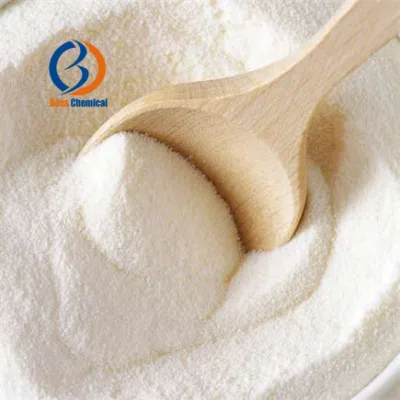
The product scope for refined TBAB encompasses its role as a synthesis material intermediate and a dye intermediate, with applications extending to catalysis and ion-pair reagent functions. Observed listings describe the product as a white powder with a melting point range of 102-106 °C and a boiling point of 102°C, although buyers should treat these as observational data points requiring confirmation. The presence of brands like Qinmu and bosschemical, along with supply types including OEM/ODM, indicates a competitive market with multiple manufacturing sources. Buyers should interpret these signals as evidence of availability but must verify that the specific batch meets the purity standards required for homogeneous catalysis, which often demands higher precision than general industrial grades.
Packaging and logistics signals from the listings vary, with options including 1kg/bag, 25kg/drum, and smaller units like 100g or 25g. This flexibility supports different procurement scales, from pilot projects to full-scale production. The stated origin is primarily China, with specific mentions of Shandong as a place of origin, which is a known hub for chemical manufacturing. Buyers should note that while free samples are supported by some suppliers, the delivery time is cited as 3-5 days, which may vary based on location and customs procedures. Understanding these logistical parameters is essential for planning inventory and ensuring that the catalyst arrives in suitable condition, given the requirement for room temperature storage.
Technical Specifications to Verify
Verification of technical specifications is paramount when sourcing TBAB for catalytic applications. The primary attribute to confirm is the purity level, with observed listings citing 99% purity and a 99% minimum assay. Buyers must request a Certificate of Analysis (CoA) that explicitly states the assay percentage and confirms the absence of impurities that could inhibit catalytic activity. The physical form is consistently described as a solid white powder, but buyers should verify the particle size distribution if their process requires specific dissolution rates. Additionally, the refractive index of 1.039 and molecular weight of 322.37 are listed, but these values should be cross-referenced with standard chemical databases to ensure accuracy, as discrepancies in the provided data suggest a need for independent validation.
Chemical identity verification must include confirmation of the CAS number 1941-30-6 and the molecular formula C12H28BrN. Buyers should be cautious of listings that mention conflicting names, such as Tetrapropylammonium bromide, which has a different chemical structure and properties. The melting point range of 102-106 °C is a key identifier, and any deviation from this range could indicate contamination or a different compound. Furthermore, the storage condition is specified as room temperature, but buyers should inquire about the stability of the product over time and whether any special handling is required to prevent degradation or moisture absorption, which could affect its performance as a homogeneous catalyst.
Compliance and Safety Documentation
Compliance and safety documentation form the backbone of responsible procurement for chemical intermediates. The observed listings mention ISO 9001 certification, which indicates a quality management system but does not guarantee product-specific compliance. Buyers must request additional safety data sheets (SDS) that detail the handling, storage, and disposal requirements for TBAB. Given its use as a catalyst and ion-pair reagent, understanding the potential hazards, such as skin irritation or environmental impact, is crucial for maintaining workplace safety and regulatory compliance. The absence of explicit hazard classifications in the provided data underscores the need for buyers to obtain comprehensive safety information from the supplier before placing an order.
Regulatory compliance extends to environmental and trade regulations, particularly when sourcing from international suppliers. Buyers should verify that the supplier adheres to relevant chemical regulations in both the country of origin and the destination country. This includes checking for compliance with REACH, TSCA, or other local chemical management laws. The EINECS number 217-727-6 is a positive indicator for European market compliance, but buyers must ensure that the product is registered and that the supplier provides necessary documentation for customs clearance. Additionally, buyers should inquire about the supplier’s waste management practices and whether they offer guidance on the safe disposal of TBAB residues, which is essential for maintaining environmental stewardship.
Cost Drivers and Commercial Terms
Cost drivers for refined TBAB include the purity level, packaging size, and order volume. The observed price range of 1-600 USD suggests significant variation based on these factors, with smaller quantities likely commanding a higher per-unit cost. Buyers should analyze the total cost of ownership, including shipping, insurance, and potential tariffs, rather than focusing solely on the unit price. The availability of free samples can reduce initial testing costs, but buyers should be aware that sample quality may not always reflect bulk production standards. Negotiating volume discounts and establishing long-term contracts can help stabilize costs and ensure supply continuity.
Commercial terms such as MOQ, lead time, and payment terms are critical components of the procurement strategy. The observed MOQ range of 1-25 units offers flexibility, but buyers should consider the economic order quantity that balances inventory holding costs with procurement frequency. The stated delivery time of 3-5 days is attractive, but buyers should verify this claim with the supplier and understand the factors that could cause delays, such as production bottlenecks or logistical issues. Payment terms should be negotiated to mitigate risk, with options such as letters of credit or escrow services providing security for both parties. Clear communication regarding these terms helps prevent misunderstandings and ensures a smooth transaction process.
Supplier Qualification and Quality Control
Supplier qualification is a multi-step process that begins with verifying the supplier’s legal status and manufacturing capabilities. Buyers should request evidence of the supplier’s ISO 9001 certification and inquire about their quality control procedures, including in-process testing and final product inspection. The presence of OEM/ODM supply types suggests that the supplier has the flexibility to meet specific customer requirements, but buyers must ensure that these customizations do not compromise product quality. Visiting the supplier’s facility or conducting third-party audits can provide valuable insights into their operational standards and commitment to quality.
Quality control measures should include regular testing of incoming TBAB batches to ensure consistency and compliance with specifications. Buyers should establish clear acceptance criteria based on purity, appearance, and other relevant attributes. Implementing a robust quality management system that includes traceability and documentation is essential for identifying and addressing any quality issues promptly. Buyers should also consider establishing a relationship with a third-party testing laboratory for independent verification of product quality, especially for critical applications where failure is not an option. This proactive approach to quality control helps mitigate risks and ensures that the sourced TBAB meets the required standards for homogeneous catalysis.
Long-Term Procurement Checks
Long-term procurement checks involve continuous monitoring of supplier performance and market trends. Buyers should establish key performance indicators (KPIs) to evaluate suppliers based on delivery reliability, product quality, and responsiveness to issues. Regular reviews of supplier performance help identify potential problems early and allow for corrective actions to be taken. Additionally, buyers should stay informed about market dynamics, including changes in raw material costs, regulatory requirements, and technological advancements in TBAB production. This awareness enables buyers to make informed decisions and adapt their procurement strategies to changing conditions.
Sustainability and ethical sourcing are increasingly important considerations in long-term procurement. Buyers should assess their suppliers’ environmental practices and commitment to sustainable manufacturing. This includes evaluating the supplier’s efforts to reduce waste, conserve energy, and minimize the environmental impact of their operations. Engaging with suppliers on these issues can drive continuous improvement and align procurement practices with corporate sustainability goals. Furthermore, buyers should consider the social impact of their sourcing decisions, ensuring that suppliers adhere to fair labor practices and contribute positively to their communities. By integrating these considerations into their procurement strategy, buyers can build resilient and responsible supply chains.
FAQs
What is the purity of refined tetrabutylammonium bromide homogeneous catalyst?
The product typically offers a purity of 99% or higher, with assay values meeting a minimum of 99%. This high-grade specification ensures consistent performance in chemical synthesis applications. Buyers should verify the exact assay on the supplier's certificate of analysis to confirm it meets their specific process requirements.
Can I get a free sample of this catalyst?
Yes, suppliers generally support free sample requests for quality verification before bulk ordering. This allows buyers to test the white powder appearance and melting point range of 102-106 °C. Samples are often available in small quantities like 100g or 1kg to facilitate initial laboratory testing and compatibility checks.
What packaging options are available for bulk orders?
Standard packaging includes 25kg drums or 1kg bags, with some suppliers offering 25kg/bag options. These packages are designed for safe storage at room temperature. The choice between drums and bags depends on the buyer's handling equipment and storage capacity, ensuring the product remains stable during transit and warehousing.
Which certifications do manufacturers usually hold?
Manufacturers often hold ISO 9001 certification, indicating adherence to quality management standards. This certification is crucial for buyers requiring documented quality assurance in their supply chain. It ensures that the production processes for the synthesis material intermediates meet international standards for consistency and reliability in industrial applications.
How fast is the delivery time for orders?
Delivery times are typically fast, often ranging from 3 to 5 days for standard orders. This quick turnaround supports urgent production needs in dye intermediate and catalyzer applications. Buyers should confirm specific lead times with the supplier, as expedited shipping or custom packaging may affect the final delivery schedule.
What is the minimum order quantity for this product?
The minimum order quantity usually ranges from 1 to 25 units, depending on the supplier. This flexibility allows small-scale buyers to test the product without committing to large volumes. Larger industrial buyers can negotiate bulk pricing, while the low MOQ supports initial procurement and quality assessment phases effectively.